
Moraine Ridge

Memory Care in Green Bay, WI
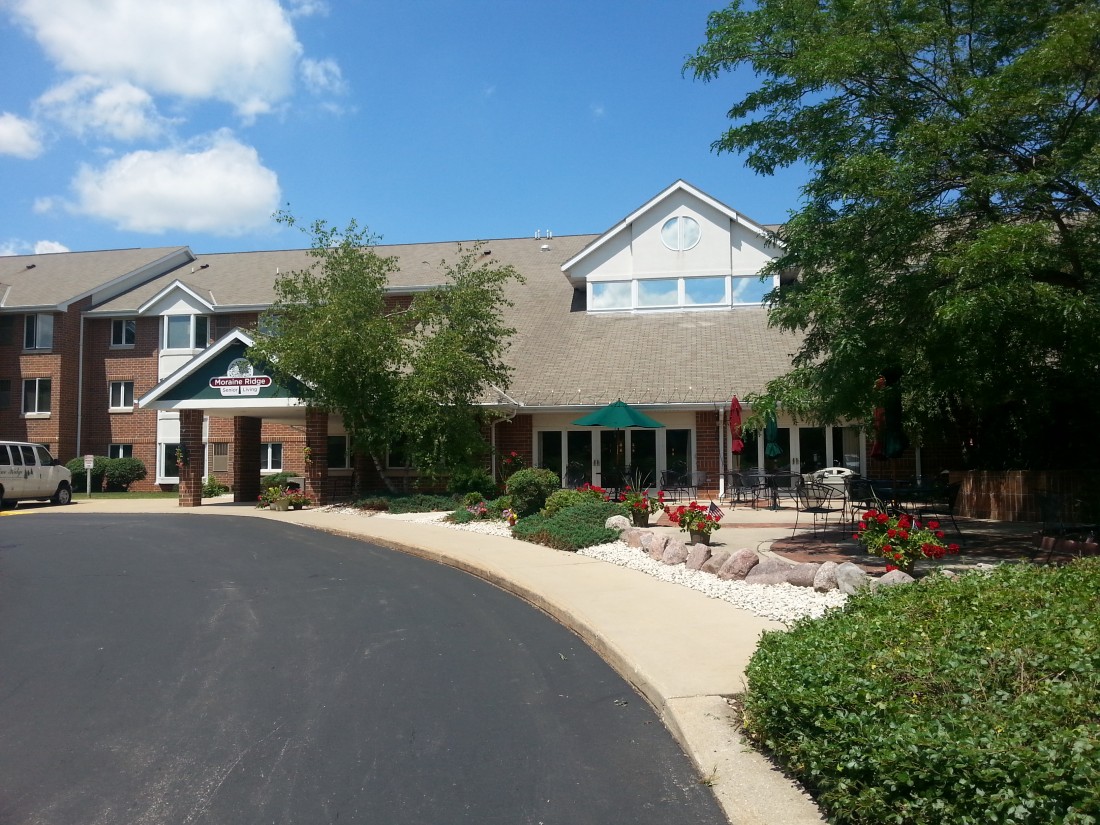

Memory care community in Green Bay, WI - Reflections at Moraine Ridge

Finding the right memory care community for a loved one living with Alzheimer's disease or dementia is one of the most important decisions a family can make. In Green Bay, families have access to dedicated memory care neighborhoods that provide the structured environment, specialized staff, and daily programming that residents need to live safely and with dignity.

Whether your loved one is in the early stages of memory loss or requires more advanced support, a memory care community in Green Bay offers the professional care and compassionate attention that goes beyond what most families can provide at home.

What Is Memory Care?

Memory care is a specialized form of senior living designed specifically for individuals living with Alzheimer's disease, dementia, and other conditions that affect memory and cognitive function. Unlike traditional assisted living, memory care communities provide a higher level of structure and security, including secured entry and exit points, 24-hour health monitoring, and staff trained in evidence-based dementia care techniques.

Residents in memory care receive individualized care plans that address their unique needs at every stage of the disease. Daily routines are consistent and predictable, which reduces confusion and anxiety. Life enrichment programming is designed to stimulate cognitive function and encourage social engagement, even as the disease progresses. Meals, medication management, personal care, and housekeeping are all included, allowing residents to focus on quality of life rather than the logistics of daily living.

Reflections at Moraine Ridge: Memory Care in Green Bay

Reflections at Moraine Ridge is a secure, dedicated memory care neighborhood located within Moraine Ridge Senior Living in Green Bay, WI. Part of the Inspired Senior Healthcare family of communities, Reflections provides specialized Alzheimer's and dementia care in a warm, homelike environment designed to feel like home rather than an institution.

The Reflections memory care program is built around each resident's individual history, preferences, and care needs. Every care plan is developed collaboratively with the resident's family and medical team, and is reviewed regularly as needs evolve. Staff members are trained through the Alzheimer's Association EssentiALZ certification program, equipping them with the specialized skills needed to support residents through all stages of memory loss with patience, empathy, and clinical expertise.

What Memory Care Services Are Available at Reflections?

Reflections at Moraine Ridge delivers a comprehensive range of memory care services designed to support residents physically, cognitively, and emotionally:

Individualized care plans are developed through a thorough assessment process before move-in and are reviewed monthly to ensure they reflect each resident's current needs and abilities. The care team provides assistance with all activities of daily living, including bathing, dressing, grooming, mobility, and toileting, with a focus on preserving independence wherever possible.

Medication management is handled by on-site RN and LPN staff available 24 hours a day, seven days a week. This includes administering medications on schedule, monitoring for side effects, and coordinating with each resident's physician to ensure treatment plans remain appropriate as the disease progresses.

Life enrichment programming at Reflections goes beyond basic activities. Cognitive stimulation programs, music and art therapy, sensory engagement, and structured social activities are woven into daily routines to promote mental engagement and emotional well-being. The programming is adapted to each resident's stage of memory loss, ensuring that activities remain meaningful and accessible.

The physical environment at Reflections is purpose-built for memory care. Secured entry and exit points prevent wandering, while intuitive wayfinding design helps residents navigate their living space with confidence. Private rooms, shared common areas, and a secured outdoor patio provide a balance of personal space and community connection.

How Much Does Memory Care Cost in Green Bay, WI?

The cost of memory care in Green Bay, Wisconsin typically ranges from $4,500 to $6,500 per month, depending on the community, level of care required, room type, and included services. The median cost in Green Bay is approximately $5,000 per month, which is lower than both the Wisconsin state average and the national median.

Most memory care communities in Green Bay include meals, housekeeping, laundry, medication management, and 24-hour supervision in their monthly rates. Additional services such as in-house therapy, specialized dietary accommodations, or higher levels of personal care may incur additional fees depending on the community.

Medicare does not cover the cost of memory care housing, as it is classified as custodial rather than medical care. However, some costs associated with medical services within memory care may be partially covered. Medicaid may help eligible individuals offset memory care costs in Wisconsin through the Family Care program. Veterans and surviving spouses may also qualify for Aid and Attendance benefits through the VA. Families exploring memory care options should consult with a financial planner or elder care attorney to understand all available funding sources.

When Is It Time for Memory Care?

Recognizing when a loved one needs memory care is often a gradual realization rather than a single event. Some of the most common signs that it may be time to consider a memory care community include repeated wandering or getting lost in familiar places, difficulty managing medications safely, significant changes in personality or behavior, increasing difficulty with personal hygiene or daily tasks, and safety concerns such as leaving the stove on or forgetting to lock doors.

Many families reach the point where the level of supervision and specialized care required exceeds what can be provided at home, even with in-home caregivers. Caregiver burnout is a real and serious concern, and transitioning to a memory care community often improves quality of life for both the resident and their family. If you are noticing these signs in a loved one, scheduling a tour and care assessment is a good first step toward understanding whether memory care is the right fit.

Why Choose Memory Care in Green Bay?

Green Bay and the surrounding Brown County area offer several advantages for families seeking memory care. The cost of living runs below the national average, which translates to more affordable memory care rates compared to larger Midwest metro areas like Milwaukee or Chicago. Green Bay's strong healthcare infrastructure, including Bellin Health and HSHS St. Vincent Hospital, ensures that residents have access to physicians and specialists experienced in geriatric and neurological care.

Communities like Reflections at Moraine Ridge are embedded in established residential neighborhoods, providing a quiet, comfortable setting while remaining close to family, friends, and the broader Green Bay community. For families in Brown County and Northeast Wisconsin, choosing a local memory care community means more frequent visits, stronger family involvement in care planning, and a smoother transition for the resident.


Frequently Asked Questions About Memory Care in Green Bay

Does Medicare pay for memory care?
Medicare does not cover the room and board costs of memory care, as it is considered custodial care rather than skilled medical care. However, Medicare may cover certain medical services received within a memory care community, such as physician visits, physical therapy, and some prescription medications. Families should explore Medicaid, VA benefits, and long-term care insurance as potential funding sources for memory care.
What is the average cost of memory care in Wisconsin?
The average cost of memory care in Wisconsin is approximately $5,750 per month, though this varies by city and community. In Green Bay, the median cost is around $5,000 per month, making it one of the more affordable options in the state. Costs depend on the level of care needed, room type, and included services. Families should request detailed pricing from each community they are considering to understand what is and is not included.
What is the difference between memory care and dementia care?
Memory care and dementia care are often used interchangeably and refer to the same type of specialized senior living. Both describe residential care designed specifically for individuals living with Alzheimer's disease, dementia, or other memory-related conditions. The key distinction is that memory care is typically a residential community setting with 24/7 staffing and secured environments, while "dementia care" can also refer to non-residential services such as adult day programs or in-home care.
What happens if you can't afford memory care?
Families facing financial challenges with memory care have several options. Wisconsin's Family Care program provides Medicaid-funded long-term care services for eligible individuals. Veterans and surviving spouses may qualify for VA Aid and Attendance benefits, which can cover a significant portion of memory care costs. Some communities offer financial assistance or sliding-scale pricing. Long-term care insurance, bridge loans, and the sale or rental of a loved one's home are also strategies families commonly use to fund memory care.

Schedule a Tour of Reflections at Moraine Ridge

If you are exploring memory care options in Green Bay for a loved one, we invite you to visit Reflections at Moraine Ridge. Our team will walk you through the community, answer your questions, and help you understand whether Reflections is the right fit for your family. You can schedule a tour online or call us at (920) 468-3111 to speak with a care advisor.

Reflections is part of Moraine Ridge Senior Living, which also offers independent living and assisted living for seniors in Green Bay. Families whose loved ones have different levels of care needs can find the right fit within a single, connected community.